

At the heart of Mironid’s innovation is our mission to transform the treatment landscape for patients with Autosomal Dominant Polycystic Kidney Disease (ADPKD) and other rare kidney diseases through novel scientific approaches.
Our Focus

WHAT MAKE US DIFFERENT?

Our Science
Mironid is a clinical stage company currently building and progressing a pipeline of drug development programmes that are targeted at cAMP degrading phosphodiesterase enzymes. The goal is to generate novel and differentiated therapies for a range of diseases with high unmet medical need.
See what we're developing
Our People
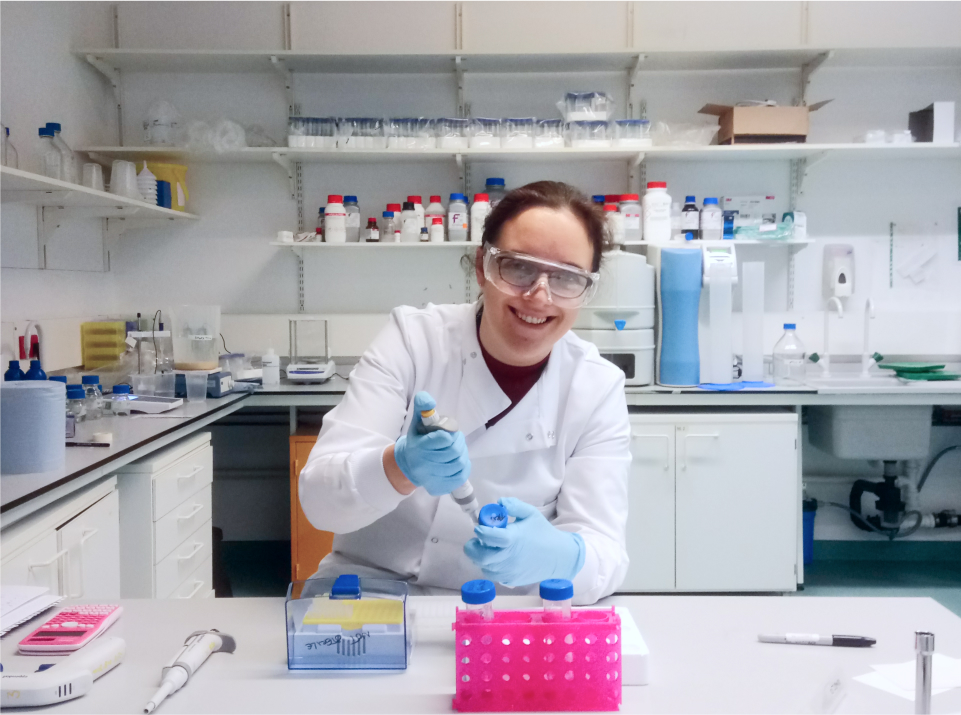
Mironid is a vibrant, growing, patient focused company led by an experienced team, driven to deliver innovative therapeutics for patients with ADPKD and other rare diseases where there exists a clear unmet clinical need.
Meet Us




NEWS
October 1, 2026
Mironid successfully doses initial cohorts in Phase 1 clinical trial investigating the Company’s first-in-class LoAc® small molecule for patients with ADPKD
Glasgow, Scotland, October 1, 2026 – Mironid, a biopharmaceutical company developing small molecule therapeutics for the treatment of Autosomal Dominant Polycystic Kidney Disease (ADPKD), a life-threatening hereditary kidney disease, today announces it has successfully dosed the initial cohorts in its Phase 1 clinical trial of its first-in-class LoAc® small molecule, marking Mironid’s transition to a […]
August 5, 2026
Mironid raises $46 million in Series B financing to advance clinical development of its treatment for rare kidney disease
Glasgow, Scotland, August 5, 2026 – Mironid, a biopharmaceutical company developing small molecule therapeutics for the treatment of Autosomal Dominant Polycystic Kidney Disease (ADPKD), a life-threatening hereditary kidney disease, today announces it has raised $46 million in a Series B funding round. Neil Wilkie, CEO of Mironid said: “ADPKD is the most common hereditary kidney disorder, affecting over 12 million people worldwide, with 50% of patients developing kidney failure by the […]
April 14, 2026
Mironid Raises Awareness for PKD with 1,000 km Team Challenge
At Mironid, we’re proud to support causes that make a meaningful difference. Last month, our team took part in the Polycystic Kidney Disease (PKD) Charity UK‘s ‘Spring into March’ challenge, raising awareness and supporting the ~70,000 people in the UK living with PKD. Together, the Mironid team each successfully exceeded the 70 km target through […]
Read more de Mironid Raises Awareness for PKD with 1,000 km Team Challenge